Beekeeping Supplies and Honey Decrystallizers: Keeping Honey Smooth and Natural
Beekeeping is a rewarding journey that requires care, patience, and the right equipment. From managing healthy colonies to harvesting pure honey, every step depends on quality beekeeping supplies. One important but often misunderstood part of honey processing is crystallization. This is where honey decrystallizers become valuable tools for beekeepers who want to maintain smooth, liquid honey for customers.
Understanding Beekeeping Supplies
Beekeeping supplies include all the essential tools and equipment used to manage bees and harvest honey safely.
Protective Clothing
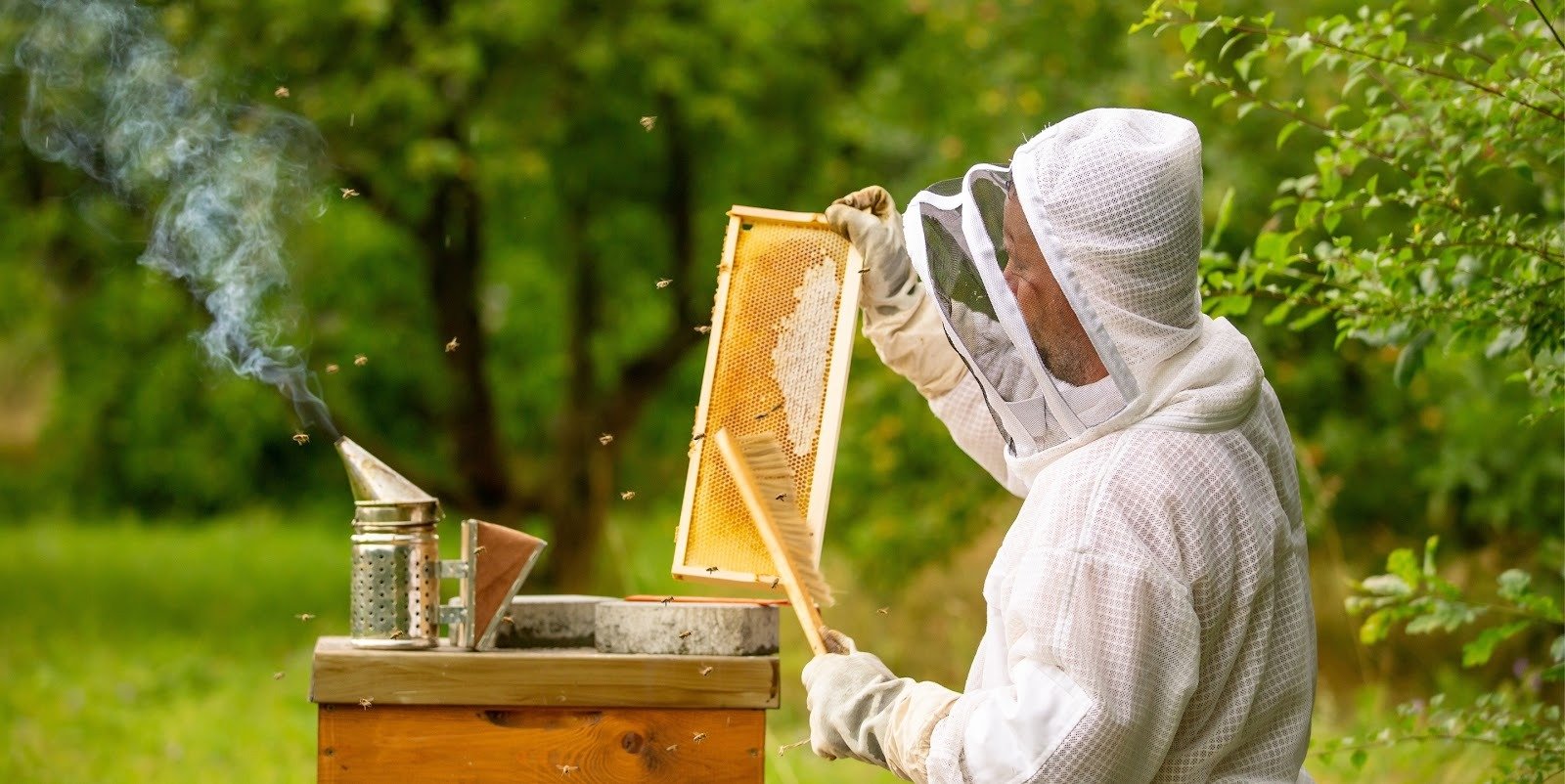
A beekeeper suit, veil, and gloves protect against stings and allow calm hive inspections. Safety is always the first priority when working with bees.
Smoker and Hive Tool
A smoker helps calm bees during hive checks. A hive tool is used to open boxes, remove frames, and clean wax buildup. These tools are part of every beekeeper’s basic kit.
Beehives, Frames, and Foundations
Strong beehives provide shelter and structure for the colony. Frames and foundation sheets guide bees to build neat honeycomb, making honey extraction easier.
Honey Extraction Equipment
Once honey is ready, tools like uncapping knives, extractors, strainers, and storage tanks are used to collect and filter honey while keeping it clean and pure.
Why Does Honey Crystallize?
Many people think crystallized honey has gone bad, but that is not true. Crystallization is a natural process. Pure, raw honey contains glucose and fructose. Over time, glucose can separate from water and form crystals, turning honey thick or grainy.
Temperature, storage conditions, and the type of flowers bees visit all affect how quickly honey crystallizes. In fact, natural honey often crystallizes faster than processed honey.
What Are Honey Decrystallizers?
Honey decrystallizers are special heating devices designed to gently warm honey and return it to a smooth, liquid state. They are used by both small-scale and commercial beekeepers.
Unlike direct heating methods, professional decrystallizers provide controlled and even heat. This prevents overheating, which can damage honey’s natural enzymes, flavor, and nutrients.
Benefits of Using Honey Decrystallizers
Preserves Honey Quality
Excessive heat can destroy beneficial enzymes and change honey’s taste. A honey decrystallizer uses controlled temperatures to protect honey’s natural properties.
Improves Appearance
Clear, liquid honey often looks more attractive to customers. Decrystallizing honey before packaging can improve its visual appeal.
Better Packaging and Bottling
Liquid honey is easier to pour into jars and containers. This makes the bottling process smoother and more efficient.
Customer Satisfaction
Some customers prefer smooth honey for easy spreading or pouring. Offering decrystallized honey meets their expectations.
Types of Honey Decrystallizers
Heating Cabinets
These are insulated boxes that gently warm multiple honey containers at once. They are ideal for small to medium operations.
Drum Heaters
Used for large honey drums in commercial production. They wrap around or surround the drum to evenly distribute heat.
Heating Belts
Flexible heating belts are wrapped around honey buckets or containers. They are affordable and practical for small-scale beekeepers.
Water Bath Systems
Containers are placed in warm water to slowly dissolve crystals. This method requires careful temperature control.
Safe Temperature Guidelines
When decrystallizing honey, temperature control is critical. Honey should generally be warmed between 35°C to 45°C (95°F to 113°F). Higher temperatures may damage enzymes and reduce quality.
Slow and gentle heating is always better than rushing the process.
How Honey Decrystallizers Fit Into Beekeeping Supplies
Honey decrystallizers are part of the post-harvest process. After extraction and filtering, honey may be stored for weeks or months. If crystallization occurs before sale, a decrystallizer helps restore its smooth texture without affecting purity.
For beekeepers selling honey commercially, this tool helps maintain consistent product quality.
Final Thoughts
Beekeeping requires more than just managing bees. Quality beekeeping supplies ensure healthy colonies and clean honey production, while honey decrystallizers help maintain honey’s smooth texture and market appeal.
Crystallization is a natural sign of pure honey, but controlled decrystallization allows beekeepers to present their product in the best possible way. By using the right tools and proper temperature control, honey can remain natural, nutritious, and attractive to customers.