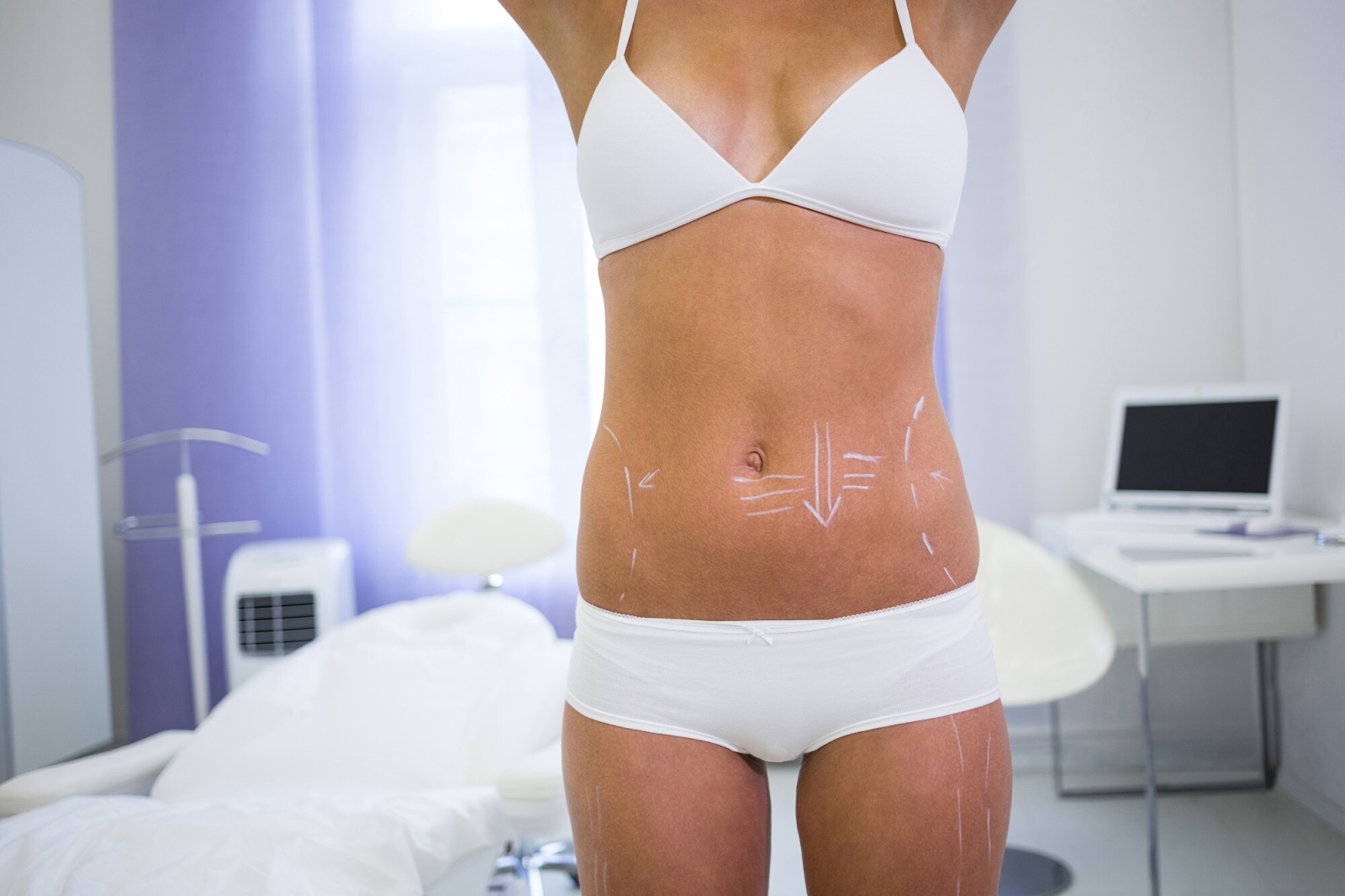
How Fleur de Lis Abdominoplasty in Sydney Compares to Belt Lipectomy
Understanding Fleur de Lis Abdominoplasty in Sydney
Fleur de lis abdominoplasty in Sydney is a specialised form of tummy tuck designed for patients with significant excess skin both vertically and horizontally, often after major weight loss. The procedure combines a traditional horizontal abdominal incision with a vertical incision, creating an inverted “T” or fleur-de-lis pattern. This allows the surgeon to remove more skin and tighten the abdominal muscles for a smoother contour.
It is particularly suitable for patients with severe skin laxity or loose tissue that cannot be addressed with a standard abdominoplasty.
Understanding Belt Lipectomy in Sydney
Belt lipectomy in Sydney, also known as a lower body lift, targets excess skin and fat around the entire midsection, including the abdomen, hips, flanks, and lower back. Unlike a fleur de lis abdominoplasty, which is limited primarily to the front of the abdomen, a belt lipectomy addresses circumferential skin laxity.
It is commonly chosen by patients who have undergone massive weight loss or bariatric surgery and need comprehensive body contouring.
Key Differences Between the Procedures
Scope of Treatment
- Fleur de Lis Abdominoplasty: Focuses on vertical and horizontal skin excess on the front of the abdomen. Provides excellent improvement for central abdominal laxity and significant stretch marks.
- Belt Lipectomy: Addresses the entire lower torso, including flanks and back. Provides circumferential contouring and is suitable for patients with loose skin around the waist and hips.
Incision Patterns
- Fleur de Lis: Features a horizontal incision along the lower abdomen and a vertical midline incision, forming an inverted “T”.
- Belt Lipectomy: Involves a horizontal incision that wraps around the waist, often extending to the back, creating a “belt” of tissue removal.
Ideal Candidates
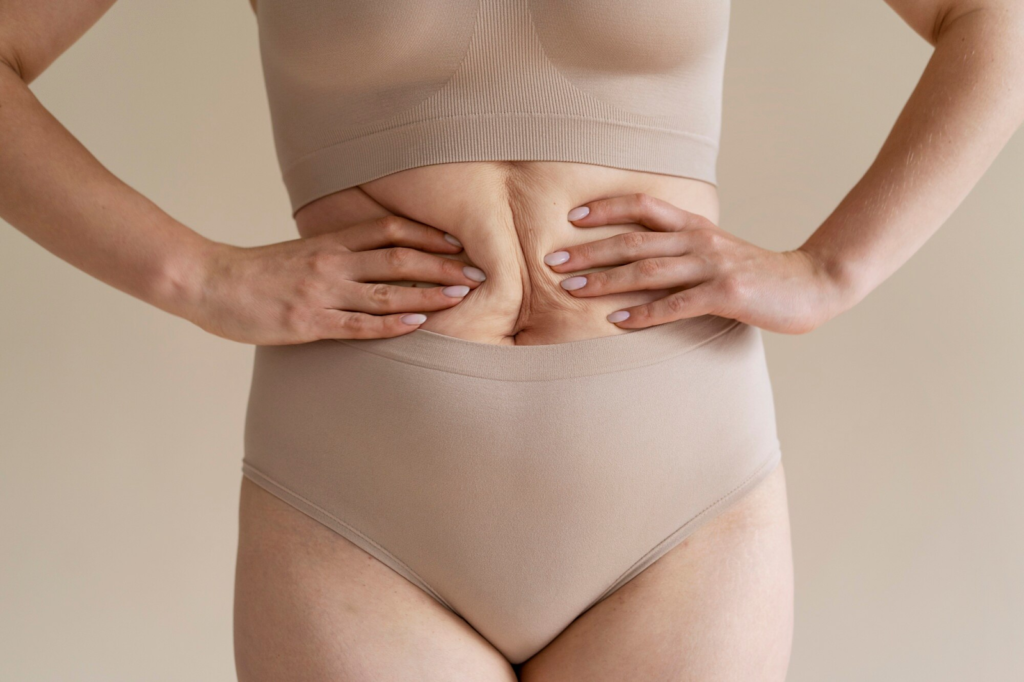
- Fleur de Lis Abdominoplasty in Sydney: Patients with significant abdominal skin laxity, usually after substantial weight loss or multiple pregnancies. Best for those needing vertical skin tightening.
- Belt Lipectomy in Sydney: Patients with excess skin all around the midsection, typically following massive weight loss or bariatric surgery. Often combined with other procedures like thigh or arm lifts for full body contouring.
Recovery and Downtime
- Fleur de Lis: Recovery typically involves moderate swelling and bruising, with most patients returning to light activity after 2–3 weeks and full activity after 6–8 weeks.
- Belt Lipectomy: Recovery may be longer due to the circumferential nature of the surgery. Patients may need additional support for mobility and are usually advised to limit strenuous activity for several weeks.
Scar Placement
- Fleur de Lis: Scars are located horizontally along the lower abdomen and vertically down the midline. The vertical scar can be more noticeable but is often justified by the amount of skin removed.
- Belt Lipectomy: Scars encircle the waist and are designed to be hidden under clothing. Because the incision is circumferential, scar management and careful positioning are critical.
Complementary Procedures
Both procedures can be combined with other cosmetic surgeries for comprehensive results:
- Fleur de Lis Abdominoplasty: Often paired with liposuction or arm lift surgery in Sydney for balanced contouring.
- Belt Lipectomy: Frequently combined with thigh lifts, arm lifts, or breast procedures to address multiple areas affected by massive weight loss.
Expected Outcomes
Fleur de Lis Abdominoplasty
- Flatter, firmer abdomen
- Tightened abdominal muscles
- Reduced stretch marks on central abdomen
- Improved waistline contour
Belt Lipectomy
- Circumferential removal of excess skin
- Slimmer waist and flanks
- Smoother overall body contour
- Enhanced fit for clothing and natural body proportion
Both procedures offer dramatic improvements in body contour, but belt lipectomy provides a more comprehensive solution for patients with extensive skin laxity.
Considerations for Choosing the Right Procedure
- Extent of Skin Laxity: For isolated abdominal issues, fleur de lis may be sufficient. For circumferential laxity, belt lipectomy is more appropriate.
- Recovery Commitment: Belt lipectomy often requires a longer, more involved recovery.
- Scar Visibility: Fleur de lis involves a prominent vertical scar; belt lipectomy scars are hidden but more extensive.
- Overall Goals: Discuss your body contour goals with a qualified surgeon in Sydney to determine the most suitable procedure.
Consultation and Planning
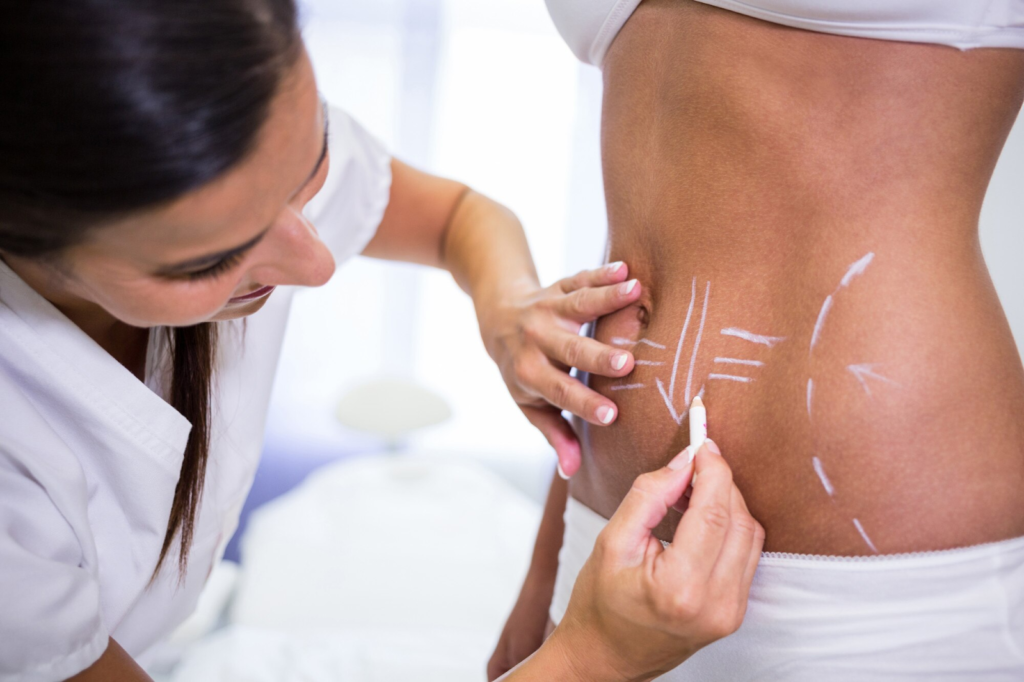
A thorough consultation with an experienced plastic surgeon in Sydney is essential. During this visit:
- The surgeon evaluates your body shape and skin laxity
- Reviews your medical history
- Discusses recovery expectations, scarring, and long-term results
- Plans any complementary procedures, such as arm lift surgery in Sydney, for balanced outcomes
Conclusion
Fleur de lis abdominoplasty in Sydney and belt lipectomy in Sydney are both advanced body contouring procedures, but they serve different purposes. Fleur de lis targets vertical and horizontal abdominal laxity, making it ideal for moderate-to-severe central abdominal excess. Belt lipectomy addresses circumferential skin and fat, making it the choice for patients who have experienced massive weight loss and require comprehensive midsection contouring.
Choosing the right procedure depends on the extent of skin laxity, overall goals, and willingness to manage recovery. A personalised consultation with a qualified Sydney plastic surgeon ensures the selected approach delivers safe, effective, and long-lasting results.
Disclaimer
The information provided in this article is for general educational purposes only and is not a substitute for professional medical advice, diagnosis, or treatment. Fleur de lis abdominoplasty and belt lipectomy are surgical procedures that carry risks, and outcomes can vary depending on individual circumstances. Always consult a qualified plastic surgeon in Sydney or another licensed healthcare professional before making decisions about any surgical procedure. The author and publisher are not responsible for any medical decisions, complications, or outcomes resulting from the use of the information provided in this article.