The Growing Problem of Appliance Waste
Household appliances fall under the broader category of electronic waste (e-waste), now considered the fastest-growing domestic waste stream globally. According to the latest global monitoring reports, the world generates over 60 million metric tonnes of e-waste each year, and less than 25% is formally collected and recycled.
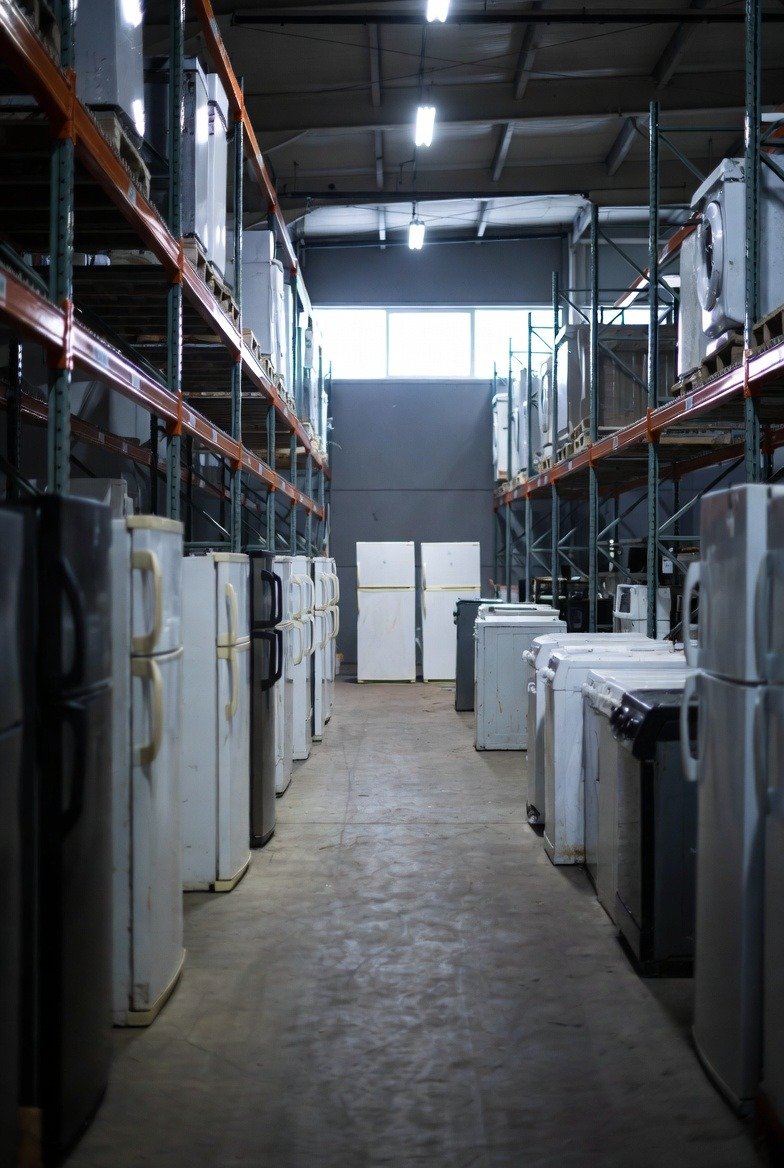
Large household appliances account for a significant share of this volume due to their size and metal content. A single refrigerator can weigh more than 100 kg — primarily steel, copper, aluminum, and plastics. When multiplied across millions of annual replacements, the environmental impact becomes substantial.
Step 1: Professional Collection and Safe Transportation
Once removed from your property, appliances are transported to licensed recycling facilities. The quality of this first step matters more than most people realize.
Improper handling can cause refrigerant leakage or structural damage that releases harmful substances. That’s why trained teams such as RubbishGo’s removal specialists follow controlled lifting, transport, and containment procedures to ensure appliances are delivered safely to certified processing centers.
Responsible removal ensures compliance with environmental standards from the moment the appliance leaves your home.
Step 2: Depollution Removing Hazardous Components
Before recycling begins, appliances undergo a critical process called depollution.
Refrigerators and air conditioners contain refrigerants such as CFCs, HCFCs, or HFCs. Some of these gases have global warming potentials hundreds or even thousands of times greater than CO₂. If released into the atmosphere, they significantly accelerate climate change.
During depollution, facilities:
- Extract refrigerant gases using sealed recovery systems
- Remove compressor oils
- Isolate mercury switches (in older units)
- Separate electronic circuit boards
This stage prevents toxic emissions and protects groundwater from contamination.
Step 3: Dismantling and Material Recovery
After hazardous materials are safely removed, appliances are dismantled or industrially shredded. Advanced separation technologies are then used to recover valuable materials.
Here’s what typically happens:
| Material Recovered | How It’s Separated | Environmental Benefit |
| Steel & Iron | Magnetic separation | Saves up to 74% energy vs. virgin production |
| Aluminum | Eddy current systems | Saves up to 95% energy compared to mining |
| Copper | Mechanical and density sorting | Reduces need for resource-intensive mining |
| Plastics | Density and polymer separation | Reduces landfill waste |
| Insulation Foam | Controlled extraction | Prevents greenhouse gas release |
Steel represents the largest share of appliance weight. Recycling one tonne of steel significantly reduces energy use and carbon emissions compared to producing steel from raw iron ore.
Aluminum recovery is even more impactful, as primary aluminum production is one of the most energy-intensive industrial processes globally.
What Happens If Appliances Aren’t Recycled Properly?
When white goods are dumped illegally or sent directly to landfill without processing, the consequences are serious:
- Greenhouse gas emissions from refrigerant leaks
- Soil and groundwater contamination from heavy metals
- Loss of valuable recoverable materials
- Increased landfill pressure
Globally, raw materials embedded in e-waste are valued in the tens of billions of dollars annually. Yet much of this value is lost when appliances are improperly discarded.
In addition, landfill space is shrinking in many urban areas, making proper recycling not just environmentally responsible — but economically necessary.
The Climate Impact of Responsible Appliance Recycling
Recycling old appliances delivers measurable climate benefits:
- Reduced demand for mining raw materials
- Lower industrial energy consumption
- Decreased greenhouse gas emissions
- Prevention of toxic pollution
Moreover, replacing outdated appliances with energy-efficient models reduces household electricity use. A refrigerator manufactured 15–20 years ago can consume nearly double the electricity of a modern high-efficiency model.
However, the environmental benefits of upgrading are fully realized only when the old unit is responsibly processed. Professional fridge and washing machine disposal solutions ensure that both the old and new lifecycle stages are handled sustainably.
Supporting the Circular Economy
The traditional “take–make–dispose” model is no longer sustainable. Instead, modern waste management systems aim to keep materials circulating within the economy.
Appliance recycling supports this model by:
- Recovering high-value metals
- Reintroducing recycled materials into manufacturing
- Minimizing landfill waste
- Reducing global resource extraction
This shift toward circular systems reduces environmental pressure while supporting economic resilience.
Why Professional Removal Makes a Difference
Not all removal pathways lead to proper recycling. Informal collectors may extract easily accessible scrap metal but fail to safely remove refrigerants or hazardous components.
Choosing a reputable removal provider ensures:
- Licensed facility processing
- Environmental compliance
- Higher material recovery rates
- Responsible hazardous waste handling
Professional oversight is what transforms an old appliance from potential pollution into reusable industrial input.
Final Thoughts: Your Appliance’s Second Life
Your old appliance doesn’t disappear after removal — it either becomes an environmental burden or a valuable resource.
With global e-waste volumes rising each year and recycling rates still far from ideal, responsible disposal choices are critical. Proper recycling conserves energy, reduces emissions, protects ecosystems, and supports the transition to a circular economy.
Removal is only the first step. What happens afterward determines whether your appliance harms the planet — or helps build a more sustainable future.