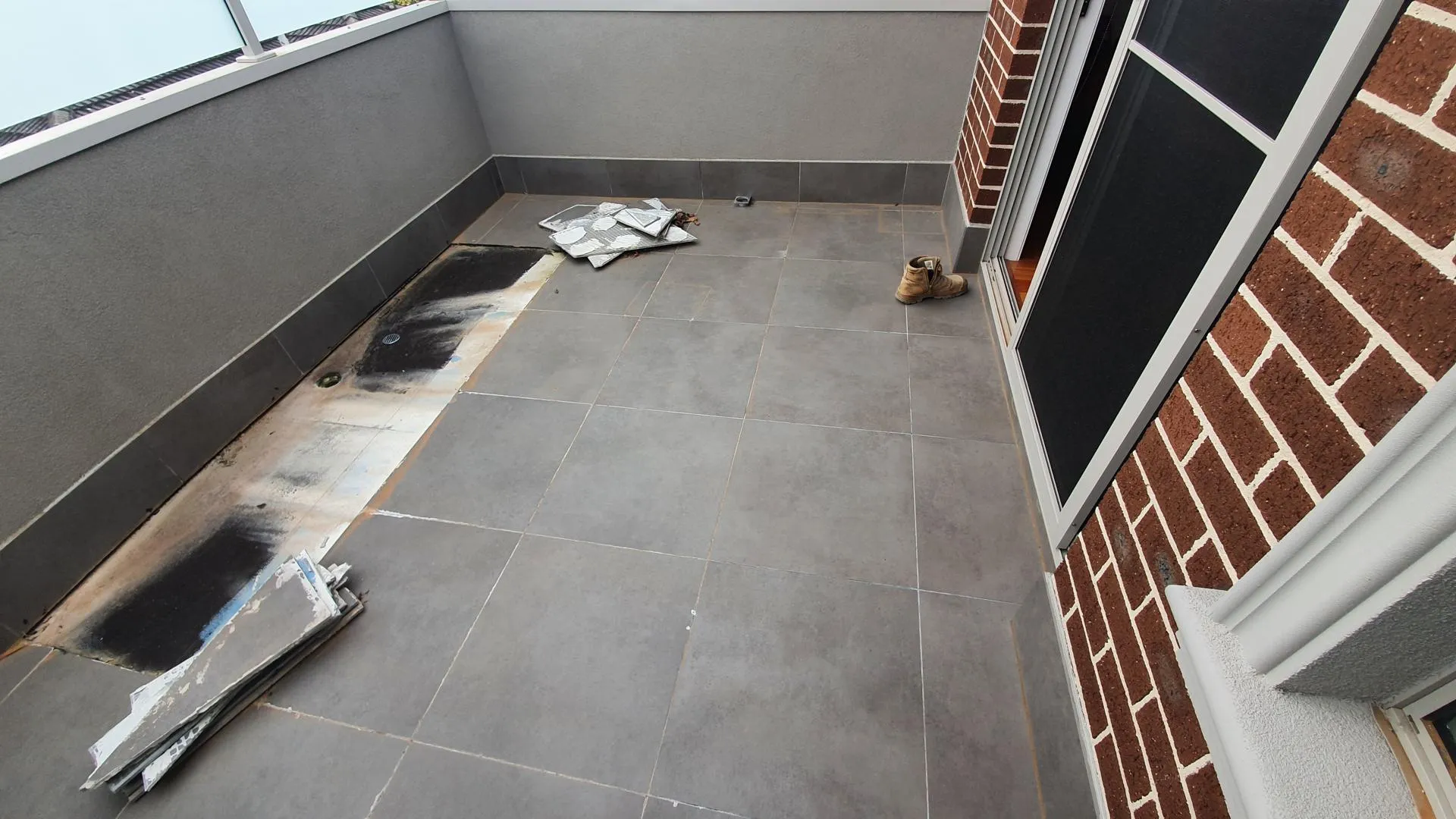
Balcony Leaks in Melbourne: When Is It Time to Stop Patching and Call a Professional?
You noticed a small water stain on the ceiling below your balcony a few months ago. You caulked a few grout lines, applied some sealant around the edges, and hoped for the best. The stain dried up. You moved on.
Then winter arrived. The stain came back bigger this time, with a damp smell and a faint trace of mould creeping along the cornicing. So you patched it again.
If this sounds familiar, you are caught in one of the most common and costly traps in Melbourne property maintenance: the cycle of surface-level patching that never fully resolves the underlying problem. At some point and that point is usually earlier than most homeowners realise patching stops being a solution and becomes an expensive delay. Understanding when that line has been crossed is the key to protecting your property, and knowing where to turn for proper Balcony Leak Repair Melbourne is the first step toward actually fixing it.
Why Melbourne Balconies Leak More Than You’d Expect
Melbourne’s climate is uniquely hard on balcony waterproofing systems. The city’s notorious four-seasons-in-one-day weather creates constant thermal cycling building materials expand in the afternoon heat and contract in the cool evening air, repeating this process hundreds of times a year. Over time, that movement cracks grout lines, splits sealant joints, and causes waterproofing membranes to blister and lift away from the substrate.
Add Melbourne’s wet winters, intense UV summers, and the sheer volume of apartment and townhouse stock built between the 1970s and 1990s much of it constructed before Australian Standard AS 3740 (Waterproofing of Domestic Wet Areas) established modern benchmarks and you have a city with an enormous number of balconies operating on outdated or degraded waterproofing systems.
The problem is not rare. It is, in fact, one of the most frequently reported building defect issues across Victoria. The question for most property owners is not whether their balcony waterproofing will eventually fail it is whether they will catch the signs early enough to act before the damage becomes structural.
The Signs That Patching Is No Longer Working
There is a clear difference between a first-time surface repair which can be entirely appropriate for a minor, isolated issue and the same repair being applied repeatedly to a problem that keeps returning. If you have patched your balcony once and the issue has stayed resolved for years, that is a good outcome. But if any of the following signs keep reappearing after each fix, surface patching has reached its limit:
- Water stains or damp patches returning on the ceiling or walls below the balcony within one to two rain seasons of your last repair
- Tiles that sound hollow when tapped indicating that moisture has compromised the adhesive bed, not just the surface grout
- Efflorescence (white chalky deposits on concrete surfaces) reappearing after cleaning a sign water is actively moving through the structure
- A persistent musty or mouldy smell in rooms adjacent to or below the balcony, even during dry periods
- Grout cracking reappearing within months of re-grouting suggesting the substrate beneath is moving due to moisture damage or structural stress
- Rust stains bleeding through concrete a serious indicator that steel reinforcement within the slab is beginning to corrode
Each time one of these signs returns after a patch, it is telling you the same thing: the waterproofing membrane beneath the tile surface the actual barrier between your balcony and the structure below has failed and needs to be replaced, not covered over.
When DIY Fixes Make Sense — And When They Don’t
To be fair, not every balcony issue requires a full professional intervention. There are situations where a competent DIY repair is genuinely appropriate:
- A single cracked grout joint in an otherwise sound tiling system, where the membrane below shows no signs of moisture penetration
- A small area of dried-out perimeter sealant at a balustrade junction, addressed early before water has had a chance to enter the substrate
- A partially blocked drain cleared before water ponding has caused any surface damage
These are isolated, surface-level issues on balconies with sound, intact waterproofing beneath. The DIY fix works because there is a functioning membrane still doing its job below.
The situation changes entirely when the membrane itself has failed. Waterproofing membrane repair and replacement is licensed building work in Victoria — the Victorian Building Authority (VBA) requires that anyone carrying out waterproofing in domestic construction holds a relevant registration. Attempting to DIY a membrane repair without the right materials, method, and compliance knowledge almost always produces a repair that fails within a season or two, often making the eventual professional repair more expensive because additional substrate damage has occurred in the meantime.
The rule of thumb is simple: if the problem keeps coming back after surface repairs, the membrane has failed — and membrane work is not a DIY job.
What Happens If You Keep Delaying Professional Repair
Delaying a professional repair once the membrane has failed is one of the most expensive decisions a Melbourne property owner can make. Here is what the real cost trajectory looks like:
- A straightforward waterproofing membrane repair and tile reinstatement on a typical Melbourne balcony: $3,000 to $8,000 depending on size and access
- The same repair once significant substrate damage has occurred and concrete must be reinstated: $8,000 to $20,000
- A repair involving structural slab assessment, concrete spalling remediation (where corroding reinforcement has caused concrete to crack and fall away), and full membrane replacement: $20,000 to $60,000 or more
- In strata buildings, the cost of repairing water damage to the unit below — including flooring, ceilings, walls, and contents — plus potential legal liability under the Owners Corporation Act 2006: highly variable, but frequently exceeds the cost of the original balcony repair by a multiple of two to four
Beyond the financial cost, there are practical consequences that are often overlooked. Mould growth in moisture-affected walls and ceilings poses real health risks, particularly for residents with respiratory conditions. Properties with documented water damage history are harder to sell and attract lower valuations. And in apartment buildings, a leak that affects a neighbouring lot can trigger strata disputes that are time-consuming, stressful, and expensive to resolve.
The most expensive time to fix a balcony leak is always after you have delayed it.
What a Professional Balcony Leak Repair Actually Involves
One of the reasons homeowners delay professional repair is a vague anxiety about what the process entails — how disruptive it will be, how long it will take, and whether the result will actually hold. Understanding the professional repair process makes it far less daunting:
- Leak detection: A qualified specialist begins with a diagnostic phase using tools such as thermal imaging cameras, electronic moisture meters, and flood testing to precisely locate where water is entering the structure — before a single tile is removed
- Targeted tile and adhesive removal: Armed with accurate diagnostic data, the repair team removes only the tiles and adhesive beds in the affected zone — not the entire balcony surface, unless the damage is widespread
- Substrate preparation: Any degraded concrete or adhesive residue is carefully cleaned back to a sound base to ensure the new membrane bonds correctly
- AS 3740-compliant membrane installation: A new waterproofing membrane is applied with properly detailed upstands, perimeter junctions, and drainage penetrations — meeting current Australian Standards and Building Code requirements
- Tile reinstatement: New tiles are laid using flexible adhesive and exterior-grade grout suited to Melbourne’s thermal movement conditions, with fresh perimeter sealant at all junctions
- Final flood test: The completed repair is flood-tested water is ponded on the surface for a minimum of 24 hours to verify the membrane is performing correctly before the project is signed off
The team at Complete Construction Service follows exactly this process on every Melbourne balcony project. Their approach starts with accurate diagnosis and ends with a verified, flood-tested result eliminating the guesswork that leads to repeat repairs and giving homeowner’s confidence that the problem has been genuinely resolved.
How to Choose the Right Balcony Repair Specialist in Melbourne
Not all contractors who offer balcony repair services bring the same level of expertise, compliance, or diagnostic rigour to the job. When evaluating your options, these are the questions that separate a professional from a patcher:
- Are they licensed with the Victorian Building Authority (VBA) for waterproofing work? This is a legal requirement in Victoria not optional
- Do they conduct a proper diagnostic assessment before quoting using detection technology or flood testing or do they quote based on a visual walkover alone?
- Will they provide a written scope of works that specifies the membrane system being installed and references AS 3740 compliance?
- Do they offer a written workmanship warranty on the completed repair, separate from any product or material warranties?
- Can they provide references or documented examples of similar balcony leak repair projects in Melbourne?
- Do they conduct a final flood test after completion to verify the repair before signing off?
A contractor who can answer yes to all of these questions is one worth engaging. For Melbourne homeowners ready to move beyond the patching cycle, professional balcony leak repair services in Melbourne delivered by licensed, experienced specialists offer the only path to a repair that actually lasts.
The Bottom Line
There is nothing wrong with a surface repair when it is the right tool for the problem. But when the same issue keeps returning after every patch, the surface is no longer the problem — and continuing to treat it as such is costing you more with every season you delay.
Melbourne balconies take a serious beating from the city’s climate, and waterproofing membranes do not last forever. The homeowners who protect their property value, avoid strata disputes, and escape the cycle of repeat patching costs are the ones who recognise when the time for professional intervention has arrived — and act on it.
If your balcony has shown any of the warning signs in this article, or if surface repairs have failed to hold through more than one Melbourne winter, that time is now.
Disclaimer
The information provided in this article is for general informational and educational purposes only. It does not constitute professional building, legal, or financial advice. Repair costs mentioned are indicative estimates based on industry ranges and will vary depending on the specific property, scope of work, and contractor selected. Always consult a licensed building professional registered with the Victorian Building Authority (VBA) for advice tailored to your specific situation. The author and publisher accept no liability for decisions made based on the content of this article.