5 Things to Know Before Starting Roller Derby
My coworker Sarah started roller derby about nine months ago. She is 32, works in accounting, and never really considered herself athletic. One random day, she just decided she wanted to try something completely different and a bit mental,l honestly.
She knew absolutely bugger all about roller derby when she started. Reckoned it was just people skating around, hitting each other randomly. There is way more complexity to it than that. Really wish someone had given her a proper heads-up before her first session went down.
Now she is totally obsessed with it. Trains three nights a week religiously, competes most weekends, and has made heaps of genuine friends through the sport. But those first few weeks were honestly pretty overwhelming because she had literally no clue what to expect.
1. You genuinely do not need to know how to skate already
This is honestly the main thing that stops most people from even trying roller derby in the first place. They automatically assume you need to already be a really confident skater before you can even start learning. That is absolutely not true whatsoever.
Most roller derby leagues run specific beginner programs designed entirely for people who have literally never skated before or have not skated since they were little kids decades ago. They teach you absolutely everything from scratch. How to properly stand on skates without falling over. Fall safely without hurting yourself. How to stop without crashing. How to move forward and backward. All the basic fundamental skills.
Sarah had not been on roller skates since she was maybe ten years old at most. She was properly wobbly and genuinely nervous at her first session showing up. Everyone else in the beginner group was exactly the same, though. Some people were honestly worse than her, even. The coaches were really patient and supportive, never making anyone feel stupid or embarrassed for struggling with basics.
Within maybe a few weeks, she could skate around confidently without constantly falling over every two seconds. Within a couple of months, she was doing crossovers properly and learning to stop correctly. The progression genuinely happens faster than you would expect when you are practicing regularly and consistently.
Obviously, if you already know how to skate decently, that gives you a proper head start initially. But it is definitely not a requirement at all whatsoever. Plenty of absolutely excellent roller derby players started as complete beginners who could barely stand on skates initially without holding the wall.
2. The gear investment is pretty significant, but worth it
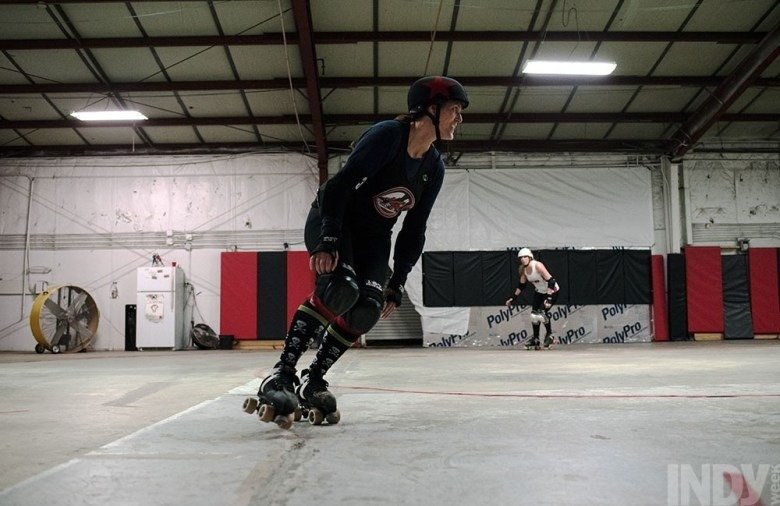
Roller derby requires proper safety equipment. This is absolutely not optional at all. You need quad skates, a proper helmet, wrist guards, elbow pads, knee pads, and a mouth guard at a minimum. Quality gear is, unfortunately, not cheap unfortunately.
Budget for spending somewhere between three hundred and six hundred bucks getting properly set up initially. Maybe even more if you want higher-end skates straight away, that sounds like heaps of money, but quality gear genuinely matters massively for both safety and performance.
Cheap, nasty skates from department stores absolutely will not cut it for roller derby at all. They fall apart ridiculously quickly and do not provide proper ankle support or control. You need actual, proper derby-quality quad skates from respected brands. The same deal goes for protective gear, too. Department store pads are not designed for the serious impacts that happen regularly in roller derby.
Roller Derby Heaven staff can properly help you figure out exactly what you need and what fits your specific budget situation. They genuinely understand that starting out is expensive for most people. They can recommend good, solid entry-level gear that will last properly while you learn, then you can upgrade specific pieces later as needed.
Sarah bought mid-range gear to start herself off. Her skates cost about two hundred dollars, her complete protective gear another one hundred and fifty. She has upgraded her wheels since then and is currently saving for better skates eventually. But her initial setup has served her really well for nine solid months of regular hard use and abuse.
Some leagues actually have loaner gear available for absolute beginners to try the sport before committing to buying everything yourself. Definitely ask about that when you contact local leagues initially. But if you properly stick with derby, you will need your own gear pretty quickly anyway.
3. It is way more strategic than it looks from the outside
From the outside looking in, roller derby looks like complete chaos, honestly. People are skating really fast, hitting each other constantly, and falling over everywhere. Seems pretty random and violent. Actually, it is incredibly strategic and tactical once you properly understand what is happening out there.
There are specific positions with completely different roles. Jammers score points by lapping the opposing team successfully. Blockers work together to help their jammer through while simultaneously stopping the opposing jammer. Pivots direct the overall blocking strategy. Every player has specific jobs depending on the exact situation.
Teams run carefully planned strategies and formations. Communication is constantly happening during active play. You need to quickly read what the other team is doing and adapt immediately. Positioning matters absolutely hugely. Timing matters massively. Teamwork is completely essential because you genuinely cannot do anything alone out there.
Sarah thought she would just learn to skate decently and hit people hard. Turns out there is so much more to actually learn properly. Game rules are genuinely complex. Strategy is really deep. She is still learning new things every single session about positioning, timing, communication, and team coordination.
This strategic depth is honestly what keeps people properly hooked on roller derby long term. It is not just purely physical; it is genuinely mentally challenging too. Every game you learn something completely new. Every practice you work on, you get progressively better at specific skills and tactics.
4. The community is genuinely incredible
Roller derby has honestly one of the most welcoming and supportive communities of any sport anywhere. People from all different backgrounds, all body types, all fitness levels, all ages. Everyone is genuinely accepted and encouraged properly.
The culture emphasizes supporting each other rather than tearing each other down competitively. Experienced players help newer players constantly without hesitation. Teams celebrate each other’s achievements enthusiastically. Leagues organize regular social events outside of training. You make genuine friendships really quickly.
Sarah was honestly nervous about joining initially because she is not naturally outgoing or social. Thought everyone would already know each other, and she would feel like an awkward outsider. Completely opposite experience actually happened. People welcomed her immediately, invited her to social stuff, helped her learn patiently, and made her feel part of the team from literally day one.
Roller derby also has really strong values around inclusivity. Properly LGBTQ friendly. Body positive culture. Feminist principles. Absolutely zero tolerance for discrimination or harassment. Leagues actively work to create safe spaces where everyone feels comfortable participating fully.
This community aspect is honestly what makes people stick with roller derby even when training is really hard, or they are struggling badly with skills. You are part of something genuinely bigger than just a sport. You have teammates who genuinely care about you and support you properly.
5. It is physically demanding but totally scalable
Roller derby is definitely a proper, serious workout, honestly. Skating hard for extended periods. Constantly getting back up after falling over. Taking hits and staying on your feet. Sprinting in short,t intense bursts. Your legs, core, and cardiovascular system all get seriously worked hard.
Sarah was pretty unfit when she first started out. Could barely make it through a full training session without feeling completely exhausted. Her legs were absolutely screaming in pain for the first month straight. She ached constantly everywhere.
But it genuinely gets easier, surprisingly quickly as your fitness improves steadily. Your legs get way stronger. Skating becomes more efficient, so you waste less energy unnecessarily. Your cardiovascular endurance builds up properly. Within a few months, Sarah could train hard for two solid hours and still feel good afterwards.
The great thing is you can scale your intensity based on your current fitness level. Nobody expects beginners to keep up with experienced players at all. You go at your own comfortable pace, push yourself when you can, rest when you genuinely need to. Gradual, steady improvement over time.
Cross-training helps, too, obviously. Lots of derby players do gym work, running, yoga, or other activities to build strength and flexibility. But honestly, just skating regularly will get you fit pretty quickly, even without any additional training.
Just bloody start already
Sarah wishes she had started roller derby years earlier instead of constantly thinking about it and putting it off indefinitely. She was worried she was too old, too unfit, too uncoordinated, and did not know how to skate well enough. None of that actually mattered at all.
Roller derby welcomes complete beginners warmly. Teaches you absolutely everything you need to know. Provides an amazing, supportive community. Gives you a proper physical challenge. Offers strategic depth. And it is honestly just incredibly fun once you push past the initial learning phase.
If you have been thinking about trying roller derby, stop thinking and just contact your local league. Go to a beginner session. See if you actually like it. Worst case, you try something new and decide it is not for you. Best case, you discover an amazing sport and community that becomes a huge part of your life.
Sarah trains three nights a week now, competes most weekends, has made some of her closest friends through derby. She is fitter and stronger than she has ever been. She feels more confident generally in life. And she genuinely loves the sport more every single month. All because she finally stopped making excuses and just gave it a proper go.
Disclaimer
This article is based on personal experiences and observations shared for general informational purposes only. Roller derby is a physically demanding contact sport that carries inherent risks of injury. Individual experiences may vary depending on fitness level, health conditions, and league practices. This article is not intended as medical, fitness, or professional advice. Always consult a qualified healthcare professional before starting any new physical activity, and follow the safety guidelines, training requirements, and equipment standards set by your local roller derby league or governing body.